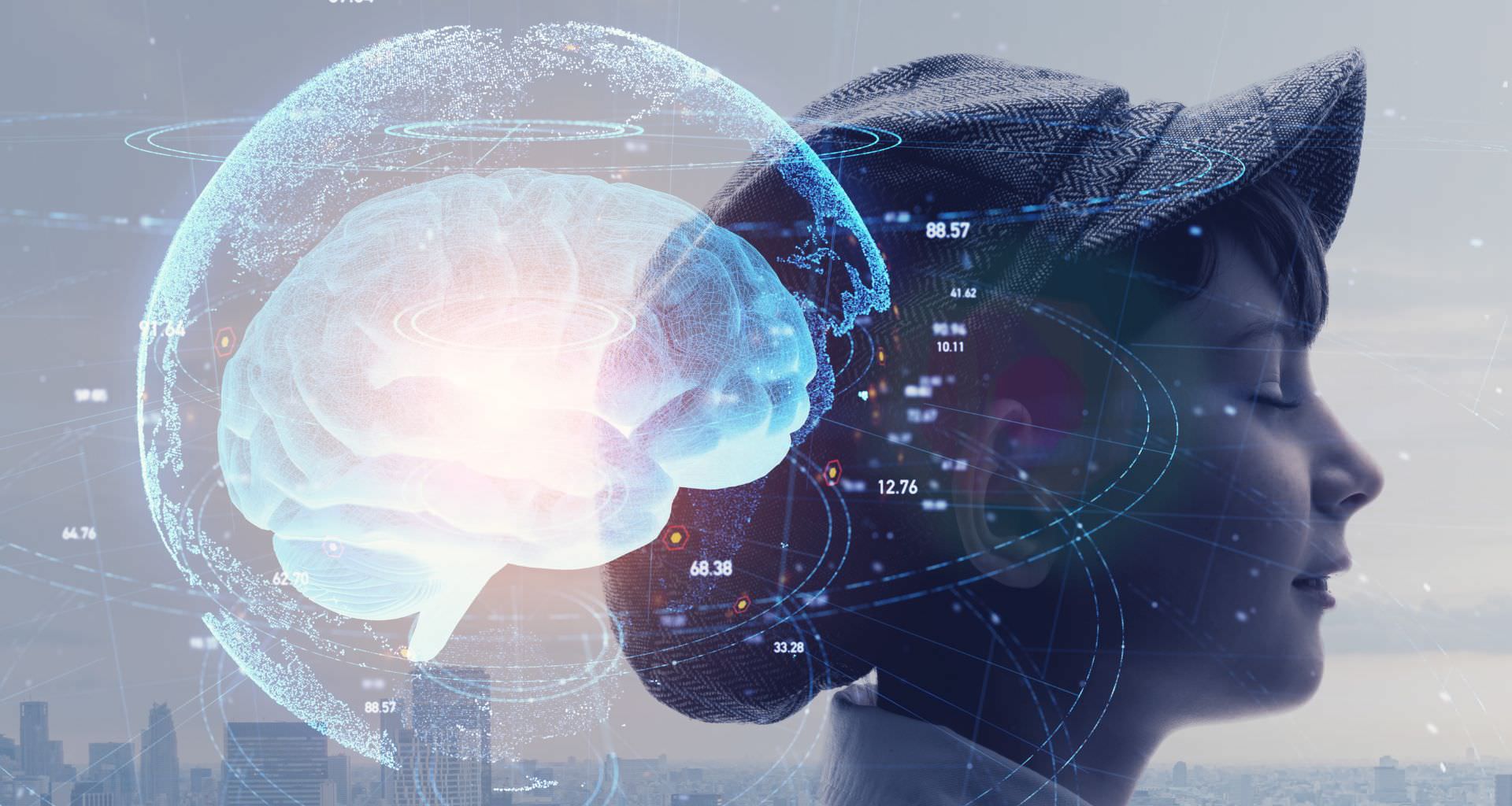
Artificial intelligence (AI) has come an extended way in recent years and continues to open up new possibilities across industries. According to the A.I. In this text, we can explore the modern-day and destiny packages of AI and the way online faculty control software programs and other gear that can include AI to enhance education.
Current Uses of AI
AI is already utilized in many common applications and devices today:
- Virtual assistants like Siri, Alexa, and Google Assistant interact with and respond to humans.
- Facial recognition also allows users to tag friends on social media and unlock phones or applications.
- Product or content recommendations on e-commerce sites and streaming platforms aim to enhance the user experience.
- Chatbots can provide customer service support by responding to routine user queries.
- Automation handles repetitive data tasks so people can focus on value-added tasks.
According to the A.I. Wearable devices and symptom-tracking apps are also using AI to provide personalized health insights.
Future Possibilities for AI
Experts are very optimistic about AI’s future potential to augment human capabilities when thoughtfully applied, including
Personalized Education
- Online school management platforms could use machine learning algorithms to deliver customized lessons based on individual strengths and weaknesses.
- AI tutors could provide each student with tailored feedback and additional support where needed.
- Testing and assessments could dynamically adapt to gauge student progress at an optimized pace.
Healthcare Advancements
- AI analysis of big datasets may help diagnose diseases earlier and improve treatment plans.
- Wearable devices and symptom-tracking apps will leverage AI to provide personalized health insights.
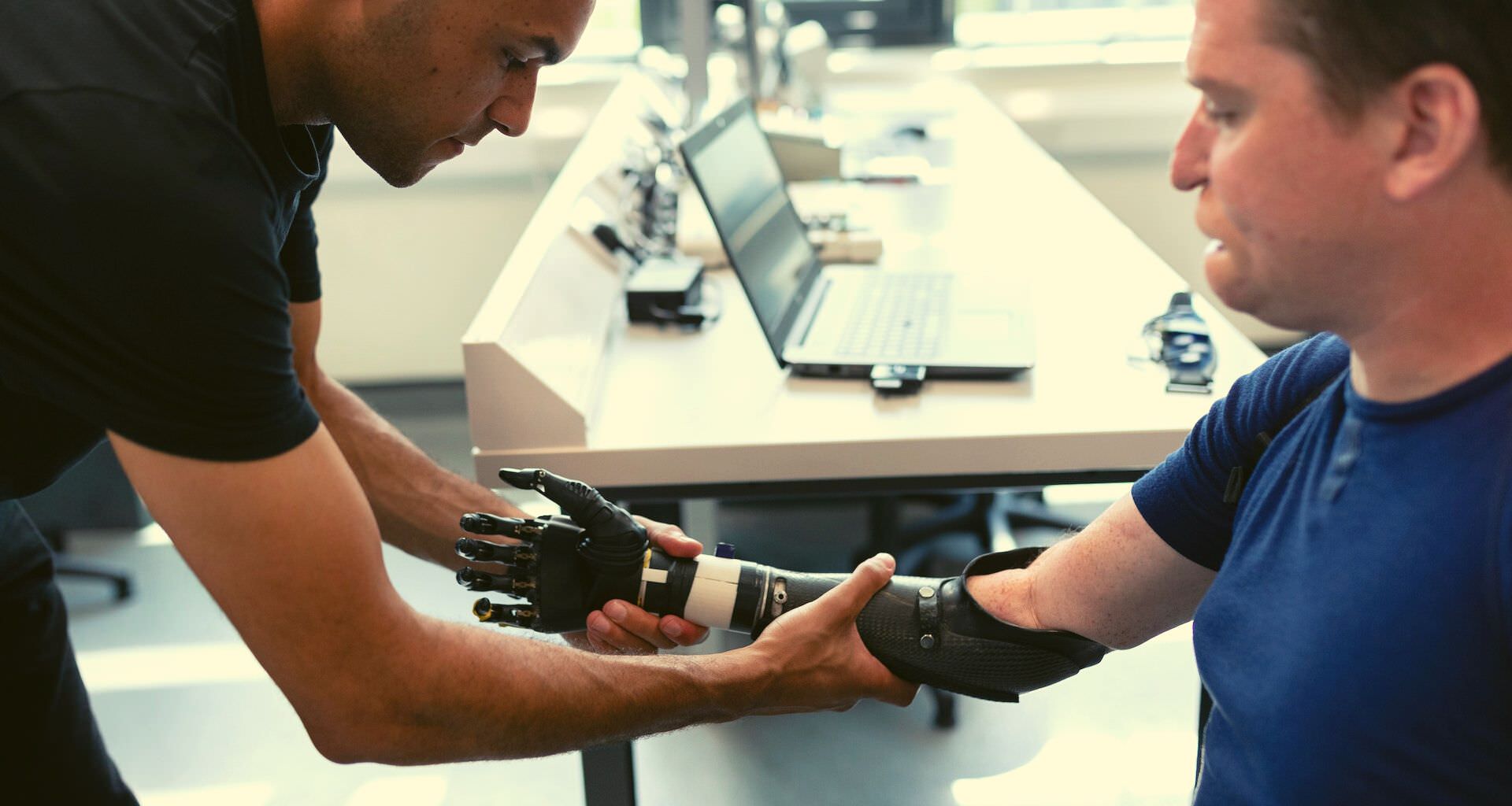
- Robotics and intelligent machines can assist doctors and nurses with automating routine tasks.
Business Innovation
- Hyper-accurate forecasting models will allow businesses to predict future needs and trends.
- AI outsourcing can help small businesses cost-effectively scale expertise like legal services.
- Repetitive administrative tasks like billing and reporting can be fully automated.
Societal Benefits
More broadly, AI promises to help advance society when thoughtfully implemented:
- Optimized transportation routing through self-driving vehicles and smart city planning.
- Accelerated scientific discovery of new solutions and medicines.
- Environmental benefits from improved agricultural yields and reduced energy consumption.
- Economic uplift for businesses from increased productivity and output.
The most transformative AI applications will augment where humans have constraints like data processing scale while upholding ethics and priorities.
Use of AI in Online School Management Software
As AI capabilities grow more powerful, online school management systems have an opportunity to apply techniques like machine learning and natural language processing to improve educational experiences. A few ways software could utilize AI include:
Personalized Learning Recommendations
Algorithms can analyze each student’s progress, strengths, weaknesses, and preferences to deliver customized content and lesson recommendations optimal for their needs and interests to boost engagement.
Adaptive Assessments
Smart quizzes can adapt in difficulty level and prompt tailored feedback in real-time based on student responses to precisely gauge and advance progress.
Automated Administrative Tasks
Repetitive tasks like attendance, scheduling, grading, reporting, and communication can be fully automated freeing up valuable teacher time.
Behavior Pattern Analysis
Insights uncovered from attendance rates, assignment completion times, and engagement metrics can feed intervention if students need additional support.
Interactive Virtual Assistants
Chatbots integrated with school management software can answer common administrative, assignment, deadline, or device questions from students and parents 24/7.
As long as AI continues advancing ethical development for good, the possibilities seem abundant. While AI cannot yet match human creativity, empathy, and context parsing at high levels, technology can alleviate constraints through automation. If solutions elevate people instead of replace them, it allows more opportunities to unlock potentials on both sides.
Conclusion
In closing, artificial intelligence stands poised to revolutionize many industries in the years ahead to augment where humans have limitations – whether processing scale, repetition, or precision. Fields like education, healthcare, and business can all benefit from thoughtful AI integration that complements people rather than replaces jobs. When designed properly, AI can free up human mental bandwidth for higher reasoning, and creative and social skills. Through automated routines and insights uncovered in data, AI promises to elevate everyday experiences if ethical development and application continue progressing.
What are some examples of AI?
Some popular examples of AI today include virtual assistants like Siri and Alexa to interact conversationally with humans, recommendation engines used by Netflix and Amazon to recommend related content and products, automated ad-buying platforms like those offered by Google and social media platforms, and self-driving car technology.
How will AI improve education?
AI holds great potential to improve education through personalized, self-paced learning recommendations to complement classroom teaching. Interactive chatbots can also help answer common student and parent questions to assist teachers. Behind the scenes, AI techniques help automate repetitive processes like administration, grading, and reporting to allow educators more time with students.
What tasks could AI automate in school management software?
School management platforms could apply AI to automate many repetitive administrative tasks that currently take up valuable staff time including attendance tracking, scheduling, grading, standardized report generation, and communication of updates like events or deadline reminders. Automated insights uncovered in data can also help steer interventions with at-risk students if behavioral patterns appear to need additional support.
What are the downsides or limitations of AI?
Some downsides or limitations to consider with artificial intelligence include the lack of human empathy, nuance, and context parsing at advanced levels currently. AI can also perpetrate biases that exist in underlying training data. Automating certain jobs out of existence is additionally a common concern with the growth of AI. However, experts believe that cultivating AI that augments human skills rather than replaces them is central to maximizing the promise of the technology for good.
Does AI pose risks like those portrayed in sci-fi movies?
While sci-fi movies often portray AI turning against humans, leading experts believe those catastrophic scenarios are largely exaggerated and implausible, at least for decades to come. Today’s AI remains narrow in scope, focused on enhancing specific tasks rather than gaining generalized sentience currently out of reach. However, continued research into developing ethical AI is important, especially methods that align with human values and can articulate reasoning.
How can school management software stay secure?
Data and privacy will always remain top priorities. School management platforms incorporating AI should design comprehensive cybersecurity infrastructure, access controls, and encryption protecting sensitive student records and data. Cloud hosting also offers economies of scale and extensive security expertise. Ongoing audits can help continuously refine defenses and harden systems as threats evolve as well.